Landscaping has become one of the most impactful ways to enhance an outdoor space, improve property value, and create a more enjoyable environment for everyday living. As interest in outdoor improvements grows, many property owners find themselves debating between hiring professional landscape contractors or tackling projects on their own. While DIY landscaping may appear to offer cost savings at first glance, the reality often depends on factors such as time investment, technical knowledge, and long-term maintenance requirements. Understanding the advantages and challenges of each approach can help property owners make smarter decisions that balance budget, efficiency, and lasting results.
DIY landscaping appeals to those who enjoy hands-on projects and creative freedom. It allows property owners to experiment with design ideas, learn new skills, and manage expenses more directly. Simple tasks such as planting flowers, adding decorative elements, or maintaining a lawn can be fulfilling and relatively cost-effective when done independently. However, DIY projects often require significant research and trial-and-error, particularly when it comes to soil preparation, drainage management, and plant selection. Without proper Landscape Contractors Honolulu HI planning, small mistakes can lead to larger issues that require additional time and resources to correct.
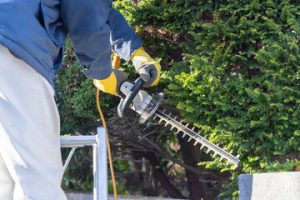
Professional landscape contractors, on the other hand, bring experience and technical expertise that streamline the entire process. They understand how to evaluate outdoor spaces from both a design and structural perspective, ensuring that each element works together harmoniously. Contractors typically assess factors like sunlight exposure, terrain slope, and water flow patterns before recommending solutions. This comprehensive approach reduces the likelihood of costly errors and helps create a landscape that performs efficiently over time.
One of the biggest considerations when comparing contractors and DIY projects is time. Many property owners underestimate how long landscaping tasks can take, especially when juggling other responsibilities. DIY projects often involve multiple phases, including planning, material sourcing, installation, and ongoing adjustments. Even smaller projects can stretch over weeks or months if unexpected challenges arise. Hiring professional contractors significantly reduces this timeline, as experienced teams can complete complex tasks more efficiently while maintaining consistent quality.
Financial costs are another major factor in the decision-making process. At first glance, DIY landscaping may seem more affordable because it eliminates labor expenses. However, hidden costs often emerge, including specialized tools, replacement materials, and corrections for design errors. Professional contractors may require a higher upfront investment, but their expertise often leads to fewer long-term expenses. Well-planned landscapes reduce maintenance needs, minimize material waste, and prevent structural issues that could result in costly repairs later.
To better understand the differences between these two approaches, consider the following aspects that influence both time and financial savings:
- Project Complexity: Simple tasks like planting seasonal greenery or installing small decorative features may be suitable for DIY efforts, while large-scale projects involving grading, drainage systems, or hardscape construction typically benefit from professional expertise.
- Skill Level and Experience: Individuals with prior landscaping knowledge may handle certain projects successfully, but beginners often face a learning curve that can extend timelines and increase expenses.
Design quality is another area where professional contractors often excel. Landscaping involves more than arranging plants in visually pleasing patterns; it requires a deep understanding of scale, balance, and long-term growth. Contractors create cohesive designs that consider how plants will mature, how outdoor features interact with each other, and how the landscape will evolve over time. DIY projects, while creative, may lack this strategic planning, leading to overcrowded plant beds or layouts that require frequent adjustments.
Drainage and soil health are two technical elements that significantly influence whether a project saves money in the long run. Improper drainage can cause water pooling, soil erosion, and damage to outdoor structures, resulting in expensive repairs. Professional contractors analyze the natural flow of water and implement solutions that prevent these issues before they arise. DIY projects, without access to specialized knowledge or equipment, may overlook subtle grading problems that become more serious over time.
Another key difference between contractors and DIY landscaping lies in efficiency. Professionals often have established relationships with suppliers, allowing them to source high-quality materials quickly and at competitive prices. They also understand which materials perform best in specific environments, reducing the risk of purchasing items that need frequent replacement. DIY enthusiasts may spend considerable time researching options or experimenting with different materials, which can delay progress and increase overall costs.
Maintenance requirements also play a significant role in determining long-term savings. Landscapes designed by professionals are often easier to maintain because plant choices and layout decisions are made with practicality in mind. Contractors may recommend drought-tolerant plants, efficient irrigation systems, or durable hardscape materials that reduce ongoing labor. DIY projects, while personalized, may require more frequent adjustments if initial planning did not account for growth patterns or environmental conditions.
Here are a few additional factors to consider when deciding between professional landscaping services and DIY efforts:
- Equipment and Tools: Many landscaping tasks require specialized machinery that can be expensive to purchase or rent. Contractors already have access to the necessary equipment, saving both time and money.
- Safety Considerations: Certain projects, such as installing retaining walls or heavy hardscape features, involve physical risks that professionals are trained to manage safely and efficiently.
Creative control is often cited as one of the biggest advantages of DIY landscaping. Property owners can experiment with styles, materials, and layouts without relying on outside input. This flexibility allows for a highly personalized outdoor space that reflects individual preferences. However, professional contractors also collaborate closely with clients, incorporating their ideas while offering guidance that enhances both functionality and aesthetics. The result is often a more refined design that balances creativity with practicality.
Long-term property value is another important consideration when comparing these two approaches. A professionally designed landscape tends to create a stronger first impression, contributing to increased curb appeal and potential resale value. Thoughtful planning ensures that outdoor spaces remain attractive and functional for years to come. DIY projects, while rewarding, may not always achieve the same level of cohesion or durability, particularly if they evolve gradually without a comprehensive design strategy.
Environmental sustainability is becoming increasingly important in landscaping decisions, and professional contractors often integrate eco-friendly practices into their work. These may include water-efficient irrigation systems, soil improvement techniques, and plant selections that require fewer resources to maintain. While DIY enthusiasts can certainly adopt sustainable methods, contractors bring a level of expertise that ensures these practices are implemented effectively from the start.
Time management ultimately becomes one of the most decisive factors in determining which option saves more money. For individuals with busy schedules, the hours spent researching, planning, and executing DIY projects can outweigh any financial savings. Hiring professionals allows property owners to focus on other priorities while knowing that the landscape is being handled by experienced hands. For those who enjoy hands-on work and have flexible timelines, DIY projects may offer a satisfying and budget-friendly alternative.
Ultimately, the decision between landscape contractors and DIY projects depends on the specific goals, resources, and expectations of each property owner. Smaller tasks that require minimal technical expertise may be well-suited to DIY efforts, while larger or more complex projects often benefit from professional involvement. By carefully evaluating factors such as project scope, available time, and long-term maintenance needs, it becomes easier to determine which approach offers the best balance of efficiency and value.
Landscaping is an investment that extends beyond immediate visual appeal, influencing how outdoor spaces function and evolve over time. Whether choosing to collaborate with professional contractors or embark on a DIY journey, the key lies in understanding the trade-offs between time, cost, and expertise. With thoughtful planning and realistic expectations, property owners can create outdoor environments that reflect their vision while supporting long-term savings and lasting beauty.