Landscape Contractors vs. DIY Projects: Which Option Saves More Time and Money?

Landscaping has become one of the most impactful ways to enhance an outdoor space, improve property value, and create a more enjoyable environment for everyday living. As interest in outdoor improvements grows, many property owners find themselves debating between hiring professional landscape contractors or tackling projects on their own. While DIY landscaping may appear to offer cost savings at first glance, the reality often depends on factors such as time investment, technical knowledge, and long-term maintenance requirements. Understanding the advantages and challenges of each approach can help property owners make smarter decisions that balance budget, efficiency, and lasting results.

DIY landscaping appeals to those who enjoy hands-on projects and creative freedom. It allows property owners to experiment with design ideas, learn new skills, and manage expenses more directly. Simple tasks such as planting flowers, adding decorative elements, or maintaining a lawn can be fulfilling and relatively cost-effective when done independently. However, DIY projects often require significant research and trial-and-error, particularly when it comes to soil preparation, drainage management, and plant selection. Without proper Landscape Contractors Honolulu HI planning, small mistakes can lead to larger issues that require additional time and resources to correct.
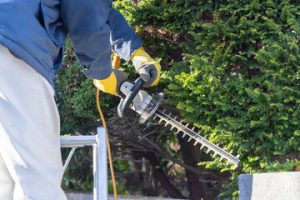
landscaping

Professional landscape contractors, on the other hand, bring experience and technical expertise that streamline the entire process. They understand how to evaluate outdoor spaces from both a design and structural perspective, ensuring that each element works together harmoniously. Contractors typically assess factors like sunlight exposure, terrain slope, and water flow patterns before recommending solutions. This comprehensive approach reduces the likelihood of costly errors and helps create a landscape that performs efficiently over time.

One of the biggest considerations when comparing contractors and DIY projects is time. Many property owners underestimate how long landscaping tasks can take, especially when juggling other responsibilities. DIY projects often involve multiple phases, including planning, material sourcing, installation, and ongoing adjustments. Even smaller projects can stretch over weeks or months if unexpected challenges arise. Hiring professional contractors significantly reduces this timeline, as experienced teams can complete complex tasks more efficiently while maintaining consistent quality.

Financial costs are another major factor in the decision-making process. At first glance, DIY landscaping may seem more affordable because it eliminates labor expenses. However, hidden costs often emerge, including specialized tools, replacement materials, and corrections for design errors. Professional contractors may require a higher upfront investment, but their expertise often leads to fewer long-term expenses. Well-planned landscapes reduce maintenance needs, minimize material waste, and prevent structural issues that could result in costly repairs later.

To better understand the differences between these two approaches, consider the following aspects that influence both time and financial savings:

  1. Project Complexity: Simple tasks like planting seasonal greenery or installing small decorative features may be suitable for DIY efforts, while large-scale projects involving grading, drainage systems, or hardscape construction typically benefit from professional expertise.
  2. Skill Level and Experience: Individuals with prior landscaping knowledge may handle certain projects successfully, but beginners often face a learning curve that can extend timelines and increase expenses.

Design quality is another area where professional contractors often excel. Landscaping involves more than arranging plants in visually pleasing patterns; it requires a deep understanding of scale, balance, and long-term growth. Contractors create cohesive designs that consider how plants will mature, how outdoor features interact with each other, and how the landscape will evolve over time. DIY projects, while creative, may lack this strategic planning, leading to overcrowded plant beds or layouts that require frequent adjustments.

Drainage and soil health are two technical elements that significantly influence whether a project saves money in the long run. Improper drainage can cause water pooling, soil erosion, and damage to outdoor structures, resulting in expensive repairs. Professional contractors analyze the natural flow of water and implement solutions that prevent these issues before they arise. DIY projects, without access to specialized knowledge or equipment, may overlook subtle grading problems that become more serious over time.

Another key difference between contractors and DIY landscaping lies in efficiency. Professionals often have established relationships with suppliers, allowing them to source high-quality materials quickly and at competitive prices. They also understand which materials perform best in specific environments, reducing the risk of purchasing items that need frequent replacement. DIY enthusiasts may spend considerable time researching options or experimenting with different materials, which can delay progress and increase overall costs.

Maintenance requirements also play a significant role in determining long-term savings. Landscapes designed by professionals are often easier to maintain because plant choices and layout decisions are made with practicality in mind. Contractors may recommend drought-tolerant plants, efficient irrigation systems, or durable hardscape materials that reduce ongoing labor. DIY projects, while personalized, may require more frequent adjustments if initial planning did not account for growth patterns or environmental conditions.

Here are a few additional factors to consider when deciding between professional landscaping services and DIY efforts:

  1. Equipment and Tools: Many landscaping tasks require specialized machinery that can be expensive to purchase or rent. Contractors already have access to the necessary equipment, saving both time and money.
  2. Safety Considerations: Certain projects, such as installing retaining walls or heavy hardscape features, involve physical risks that professionals are trained to manage safely and efficiently.

Creative control is often cited as one of the biggest advantages of DIY landscaping. Property owners can experiment with styles, materials, and layouts without relying on outside input. This flexibility allows for a highly personalized outdoor space that reflects individual preferences. However, professional contractors also collaborate closely with clients, incorporating their ideas while offering guidance that enhances both functionality and aesthetics. The result is often a more refined design that balances creativity with practicality.

Long-term property value is another important consideration when comparing these two approaches. A professionally designed landscape tends to create a stronger first impression, contributing to increased curb appeal and potential resale value. Thoughtful planning ensures that outdoor spaces remain attractive and functional for years to come. DIY projects, while rewarding, may not always achieve the same level of cohesion or durability, particularly if they evolve gradually without a comprehensive design strategy.

Environmental sustainability is becoming increasingly important in landscaping decisions, and professional contractors often integrate eco-friendly practices into their work. These may include water-efficient irrigation systems, soil improvement techniques, and plant selections that require fewer resources to maintain. While DIY enthusiasts can certainly adopt sustainable methods, contractors bring a level of expertise that ensures these practices are implemented effectively from the start.

Time management ultimately becomes one of the most decisive factors in determining which option saves more money. For individuals with busy schedules, the hours spent researching, planning, and executing DIY projects can outweigh any financial savings. Hiring professionals allows property owners to focus on other priorities while knowing that the landscape is being handled by experienced hands. For those who enjoy hands-on work and have flexible timelines, DIY projects may offer a satisfying and budget-friendly alternative.

Ultimately, the decision between landscape contractors and DIY projects depends on the specific goals, resources, and expectations of each property owner. Smaller tasks that require minimal technical expertise may be well-suited to DIY efforts, while larger or more complex projects often benefit from professional involvement. By carefully evaluating factors such as project scope, available time, and long-term maintenance needs, it becomes easier to determine which approach offers the best balance of efficiency and value.

Landscaping is an investment that extends beyond immediate visual appeal, influencing how outdoor spaces function and evolve over time. Whether choosing to collaborate with professional contractors or embark on a DIY journey, the key lies in understanding the trade-offs between time, cost, and expertise. With thoughtful planning and realistic expectations, property owners can create outdoor environments that reflect their vision while supporting long-term savings and lasting beauty.

Inside the Rise of Biaheza Dropshipping: Hidden Realities Behind Online Storefront Success

Many talk about Biaheza Dropshipping but few truly understand its deeper layers. The concept often gets simplified into quick profits and easy wins. Yet beneath that surface lies a complex world of strategy, psychology, and shifting consumer behavior. It’s more than a business model — it’s a mirror of how digital commerce is evolving.

Dropshipping

At its core, dropshipping seems straightforward. You create a storefront, market trending products, and rely on third-party suppliers to fulfill orders. The model removes the need for inventory and logistics, lowering the barrier to entry. But this simplicity hides the intense competition and constant adaptation required to thrive.

One of the most overlooked aspects of Biaheza-style dropshipping is the power of timing. Success is not just about what you sell, but when you sell it. Markets move fast, trends shift overnight, and consumer preferences evolve constantly. Those who master timing often outperform those with larger budgets or more experience.

Reviews of this approach often focus on the potential for fast income. People are drawn to the idea of building a business with minimal upfront costs. However, the reality is that dropshipping rewards creativity, data analysis, and relentless testing. It is less about instant wealth and more about the art of rapid iteration.

A key principle many beginners miss is the importance of understanding buyer psychology. Every successful store isn’t just selling a product — it’s selling a solution, a feeling, or a story. People don’t buy based solely on need; they buy based on desire, identity, and trust. Recognizing this makes the difference between mediocre and explosive results.

The journey also teaches a deeper lesson about adaptability. Dropshipping is one of the few models where yesterday’s strategy may fail today. Algorithms, consumer habits, and even platform policies evolve continuously. Those who succeed embrace this instability as an opportunity rather than a threat.

Critics often point to the low success rates and saturated markets. They argue that dropshipping is too crowded or unsustainable. Yet these critiques overlook a simple truth: competition pushes innovation. The most successful entrepreneurs aren’t the ones who avoid crowded spaces — they’re the ones who stand out in them.

Another powerful element of Biaheza’s approach is speed. In the digital marketplace, speed isn’t just an advantage — it’s a necessity. Rapid testing, quick pivots, and fast execution often matter more than perfection. This agility allows businesses to ride trends rather than chase them too late.

What most newcomers underestimate is the importance of data. Every click, view, and conversion tells a story about what works and what doesn’t. Those who treat data as a guide rather than an afterthought refine their strategy with precision. The result is a store that continuously improves instead of stagnating.

One of the most surprising findings from those who follow this model is how much they learn about marketing. Dropshipping forces you to master social proof, urgency, audience targeting, and creative messaging. Each campaign becomes an experiment in human behavior. Over time, these skills become more valuable than the products themselves.

Despite its challenges, dropshipping remains an appealing gateway into entrepreneurship. It teaches essential lessons about risk, iteration, and resilience. Most importantly, it allows individuals to learn business fundamentals without massive financial risk. This accessibility is why the model continues to attract ambitious newcomers.

But the path is not without obstacles. Shipping delays, quality issues, and customer complaints are common hurdles. These challenges expose the importance of communication, transparency, and proactive problem-solving. They remind entrepreneurs that success isn’t just about sales — it’s about long-term trust.

The rise of social media has amplified the reach of dropshipping businesses. Creative storytelling and viral content can turn a small store into a booming brand almost overnight. However, this also raises expectations for authenticity and engagement. Audiences today want more than ads — they want connection and value.

One lesson echoed in many success stories is the need for reinvestment. Profits aren’t meant to be immediately spent; they should fuel growth. Reinvesting in better marketing, customer experience, and product research creates long-term momentum. Those who fail to reinvest often plateau or fade away.

Another evolving aspect of dropshipping is personalization. Modern consumers expect more than generic products — they crave relevance and meaning. Personalization, whether through targeted offers or curated collections, increases loyalty and conversion. It transforms a transactional business into a relationship-driven one.

Sustainability has also become a growing consideration in this field. Conscious consumers increasingly question product origins, quality, and environmental impact. Dropshipping businesses that address these concerns gain credibility and stand out. This shift signals that ethical strategy is becoming a core part of modern success.

Some critics argue that dropshipping will eventually lose relevance. But history shows that business models don’t die — they adapt. As technology advances, dropshipping continues to evolve into more sophisticated, brand-focused operations. The essence remains, but the execution keeps improving.

One hidden advantage of this model is the skill set it builds. Entrepreneurs learn marketing, analytics, negotiation, and customer relations under real-world pressure. These skills are transferable and valuable even beyond e-commerce. Many use dropshipping as a foundation for larger ventures later on.

What separates those who succeed from those who fail often comes down to mindset. Those who treat dropshipping as a quick scheme burn out fast. Those who approach it as a craft — constantly learning, adapting, and refining — build lasting success. The business rewards persistence more than talent.

Interestingly, many who succeed with Biaheza-style dropshipping start small and scale gradually. They focus on mastering one niche, one product, and one audience before expanding. This focus reduces overwhelm and increases the chance of meaningful growth. It’s proof that depth often outperforms breadth.

The psychological aspect of entrepreneurship becomes very evident in dropshipping. It tests patience, resilience, and the ability to handle uncertainty. Many underestimate the mental endurance required to push through early failures. Yet those who persist often emerge stronger and more capable than when they began.

Reviews from practitioners consistently highlight one theme: action beats theory. Reading guides or watching tutorials is only the first step. Real learning happens when you launch, test, fail, and iterate. This action-oriented mindset transforms knowledge into tangible results.

Another often-missed insight is the importance of building trust with your audience. In a market filled with competitors, trust becomes your biggest asset. Clear communication, honest policies, and consistent value delivery cultivate loyalty. And loyalty, once earned, becomes the foundation for repeat business.

The global nature of dropshipping also teaches lessons in cultural awareness and market diversity. What works for one audience may fail completely for another. Understanding cultural nuances and adapting messaging can dramatically improve performance. This global perspective becomes a competitive edge in scaling operations.

Automation tools have also reshaped the landscape, making it easier to manage operations. But technology alone is not enough — strategic thinking still drives success. Automation should enhance decision-making, not replace it. The most successful businesses combine technology with creativity and insight.

The future of dropshipping appears more dynamic than ever. As platforms evolve and consumer expectations rise, innovation will become the main differentiator. Entrepreneurs who anticipate changes rather than react to them will lead the next wave of success. This proactive approach turns challenges into opportunities.

In the end, Biaheza dropshipping is less about selling products and more about building systems. It’s about creating repeatable, scalable processes that can adapt to change. The products may shift, but the principles of execution remain timeless. And those principles — speed, adaptability, creativity, and resilience — are what fuel lasting success.

The model’s true power lies in how it democratizes entrepreneurship. It allows anyone with determination and curiosity to enter the marketplace and learn by doing. The lessons gained often extend far beyond the store itself. They shape how individuals think, solve problems, and approach future ventures.

Ultimately, the deeper story behind Biaheza dropshipping isn’t about quick riches. It’s about evolution — of business, of consumer behavior, and of the entrepreneur themselves. It’s a journey that teaches far more than it promises, revealing both the challenges and the limitless possibilities of digital commerce. And for those willing to embrace the grind, it remains one of the most exciting entry points into the future of entrepreneurship.